May 26, 2026 · Fender Benders
What to Do in the First 10 Minutes After a Fender Bender
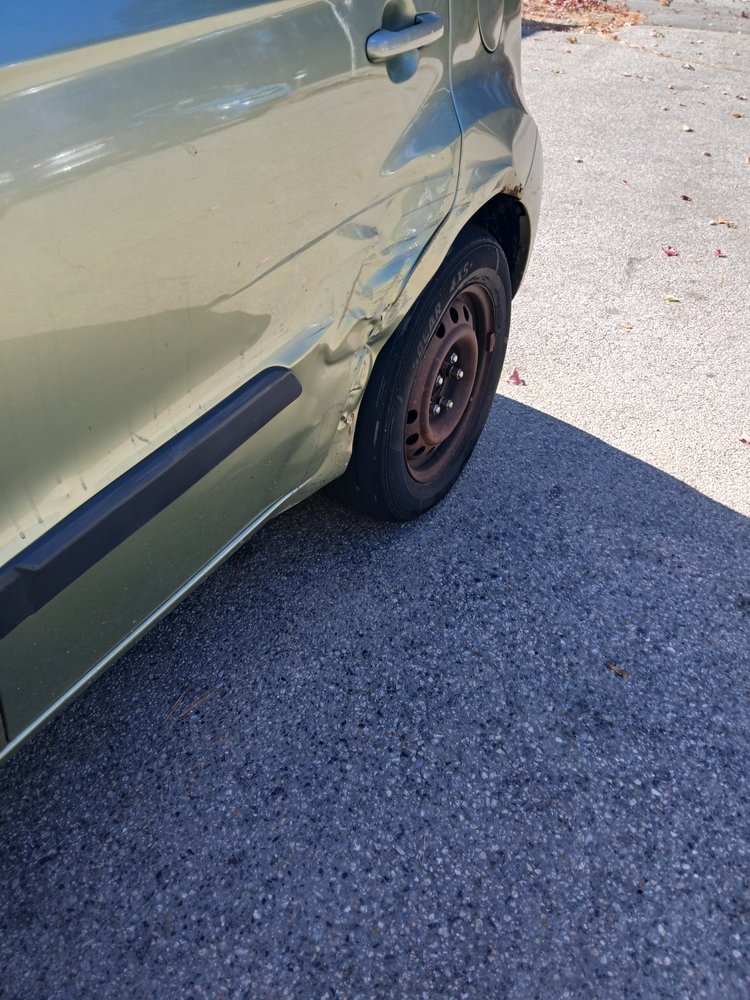
A fender bender is one of those situations nobody plans for. One second you're driving home from the grocery store, the next you're standing in the middle of a parking lot with your heart pounding, trying to figure out what to do next. The good news is the first ten minutes are almost entirely about staying calm and gathering information. The decisions — who fixes the car, who pays, what gets replaced — all come later.
Step one is safety. If the vehicles are drivable and nobody is hurt, ease out of traffic and onto the shoulder or into a nearby lot. Turn on your hazards. If anyone is injured, even mildly, call 911 before you do anything else. A police report is also worth requesting any time there's visible damage, regardless of fault — it creates an objective record that protects everyone involved.
Step two is documentation. Take photos of every angle of both vehicles, close-up shots of each damaged area, the license plates, the position of the cars in the road, and any street signs, traffic signals, or landmarks that show where the collision happened. If there are skid marks, debris, or anything else that explains how it unfolded, capture that too. Photos cost nothing and they win arguments later.
Step three is exchanging information. You need the other driver's name, phone number, insurance carrier, policy number, license plate, and the make and model of their car. That's it. You do not need to discuss who was at fault, apologize, or offer to handle it without insurance. Those conversations at the scene almost always work against you later, even when you meant well.
If there are witnesses willing to share a name and phone number, take it. Independent witnesses carry enormous weight with adjusters, and most people are happy to help if you ask politely. Don't pressure anyone, but don't pass up the offer either.
When you get home, call your insurance company to open a claim. You'll be asked where you'd like the car repaired. This is where many drivers get tripped up: insurers will often suggest a shop on their direct-repair list, and some will imply you have to use one. You don't. Every state, including New Hampshire, gives you the legal right to choose your own repair shop. If you already have a shop you trust, just say so.
From there, the shop takes over. A good one will handle the supplements, parts ordering, and back-and-forth with the adjuster so you don't have to. Your job for the next few days is to drive your loaner, send any paperwork the shop asks for, and get back to your life. That's it.
Got a question for Frank?
Stop in, give us a call, or send a message. Estimates are always free.